
10 best cycling climbs in mallorca
Velocamp’s guide to the best climbs in Mallorca, the roads that define the island and keep riders coming back time and time again!
Gradient images courtesy of climbfinder.com. Maps by Strava.
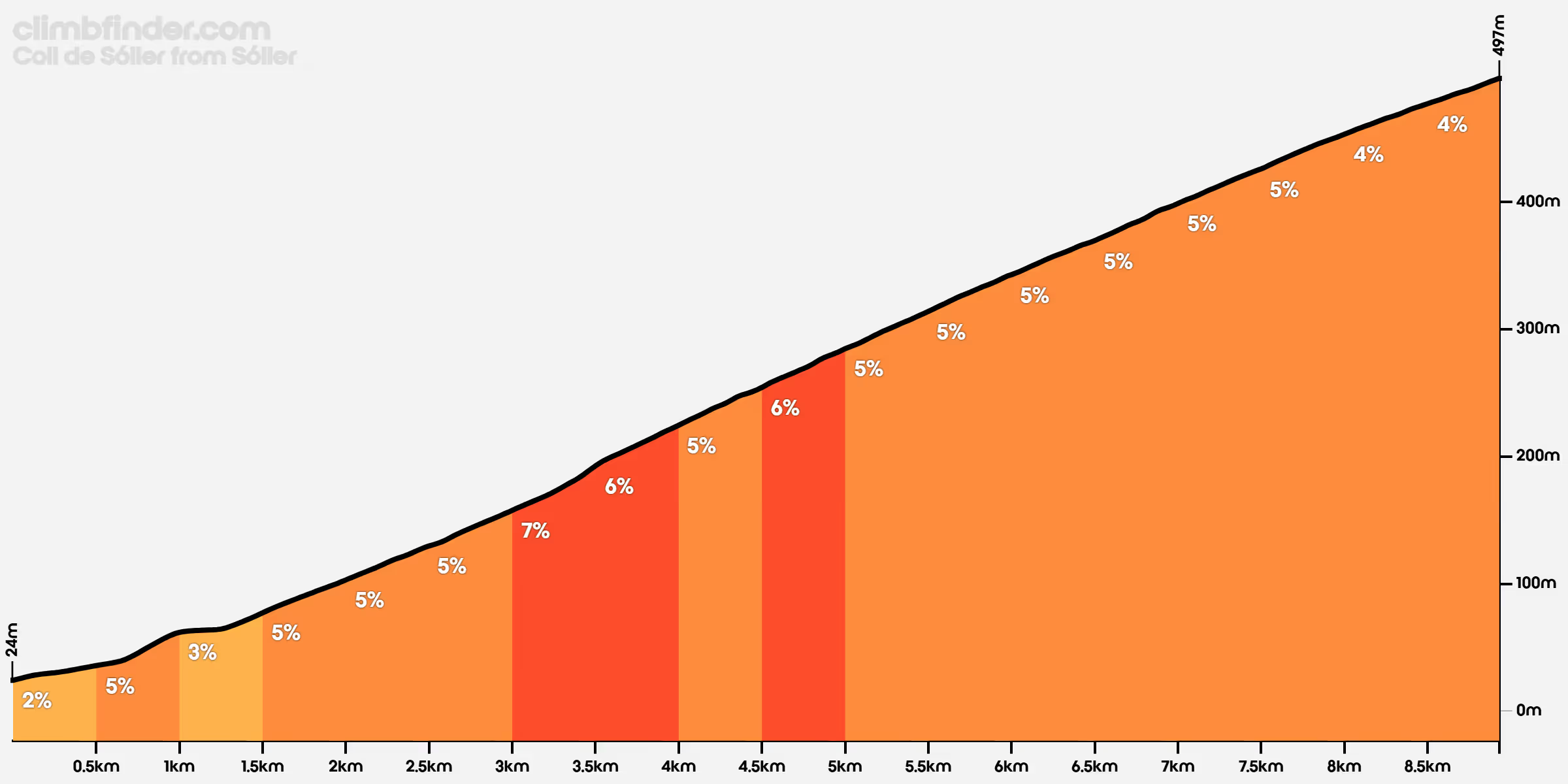
1. Sa Calobra
(Coll dels Reis)
Sa Calobra is, without question, the most famous climb in Mallorca and one of the most iconic cycling roads anywhere in the world. It is the climb that puts Mallorca on the map for so many riders and the one that people travel across the world to experience.
Many visitors are caught out by the fact that there is first quite a challenging ascent to begin your Sa Calobra experience. The climb begins at the aqueduct turn-off and carries you up around 2.5 km at an average gradient of 6.6%, acting as a nice warm-up before the main event.
Following the first ascent is what truly makes this climb unique. Every rider must first descend the entire 10 km first, all the way down to sea level, which means every rider knows exactly what is waiting for them on the way back up! This can leave quite a daunting feeling in your stomach as you contemplate the climb back out from the port all the way at the bottom.
The climb itself is mostly very consistent from the bottom right up to the top. There are no huge sudden changes in gradient, no crazy steep ramps that catch you out, just a steady effort that allows you to find your rhythm early and hold it. This is one of the reasons it suits a wide range of riders, as pacing is far more important than outright strength.
The road surface is mostly good, but due to the amount of traffic, including many heavy buses during peak season, some areas of the road are broken and should be avoided on the descents. Many overconfident riders do, unfortunately, slide out on some of the hairpin switchbacks, so take care on the way down.
The most famous part of the descent is the well-known tie knot bend, which is one of many perfectly engineered switchbacks that give the climb its character and make it so memorable. This is a great place to have your photo taken as you make your effort.
Sa Calobra is most commonly ridden as part of a loop from Sóller or Pollença, often combined with Puig Major from the west or Coll de Femenia from the east. From Palma, it becomes a full day out and one of the most rewarding cycling routes in Europe.
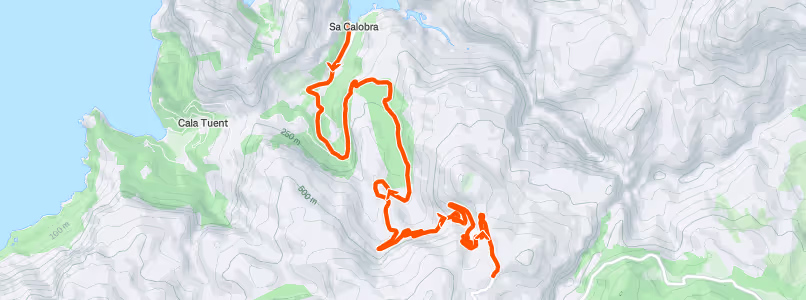

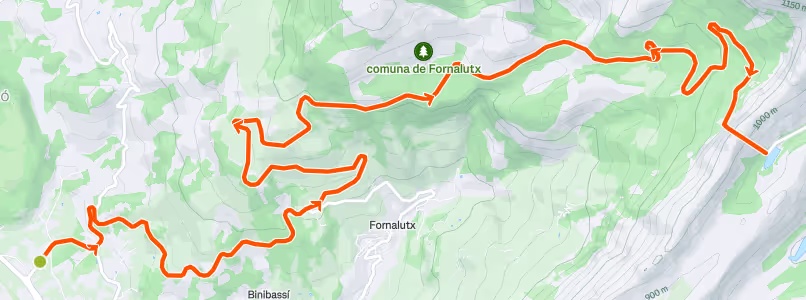
2. Puig Major
From Sóller
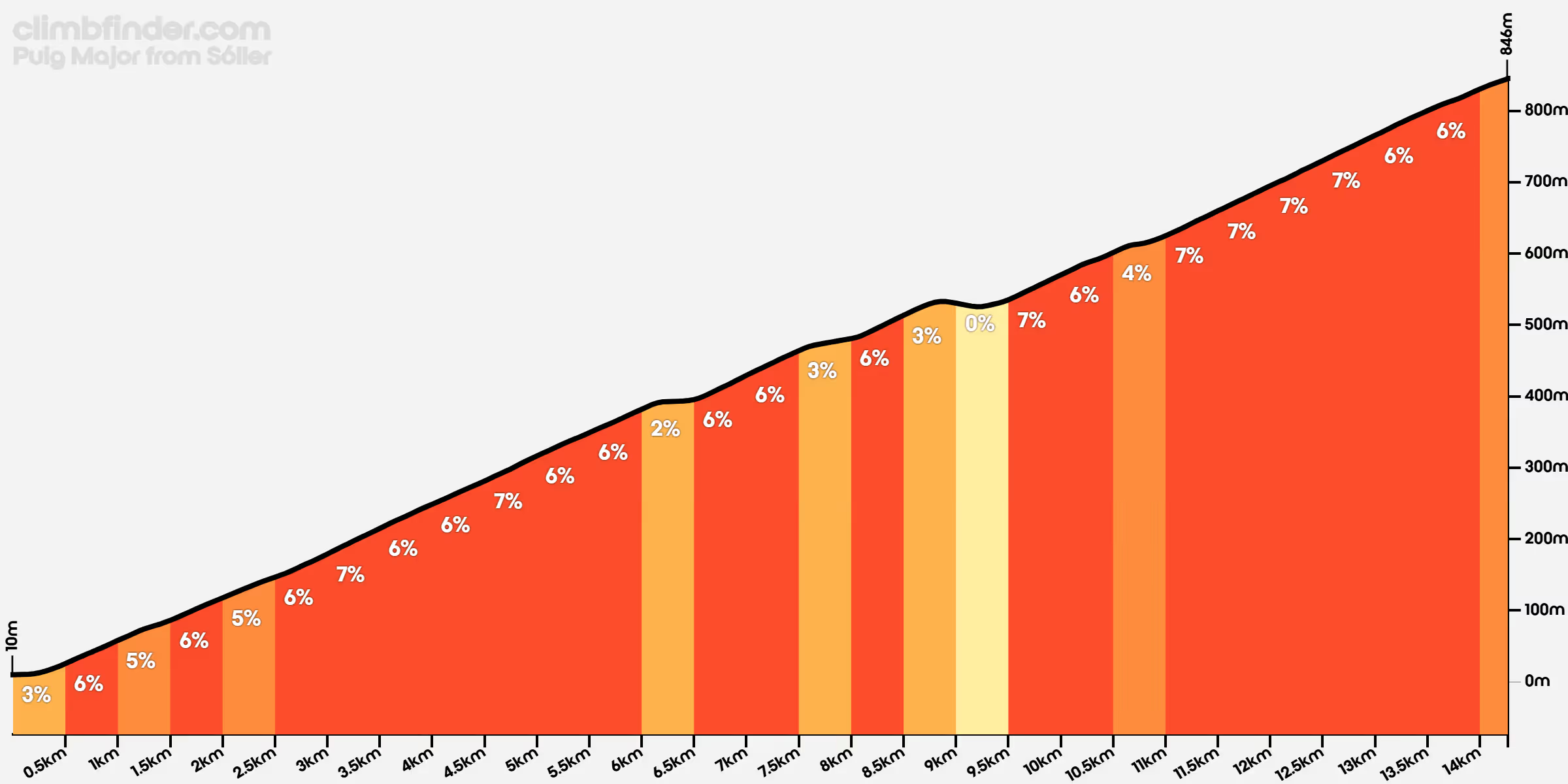
Puig Major is the longest sustained climb in Mallorca and one of the most important roads for building endurance during any cycling week on the island. While it does not have the dramatic switchbacks of Sa Calobra, it offers something equally valuable, a long, steady effort that allows you to settle into your rhythm and really feel the climb unfold.
The defining feature of Puig Major is its consistency. The gradient remains steady for most of the ascent, with very few interruptions, making it ideal for riders who prefer to climb at a controlled pace. It is a climb where you can focus on breathing, cadence and effort, rather than reacting to sudden changes in terrain.
The road surface is very good throughout, with sweeping panoramic views in sections of the ascent across the valley of Sóller below. Around ⅓ of the way up the climb, it is well worth turning off to the right, where you can descend the 4.2km and 218m down to the beautiful scenic village of Fornalutx for a coffee. Bear in mind that you will need to ascend back up to rejoin Puig Major, so make sure your legs are feeling strong! With its wide, smooth tarmac, this climb feels safe and predictable, but do mind out for the sometimes busy flow of superbikes racing up and down the road during the warmer months. As you begin to climb higher, the surroundings start to feel more remote, with fewer buildings and more open mountain views, before concluding at the Mirador des tunel, where most riders choose to pull over to the rest stop on the right and admire the view.
Puig Major is most commonly ridden as part of a loop from Sóller or Pollença, and is often paired with Sa Calobra, creating one of the most iconic cycling days in Mallorca. From Palma, it can be included in longer mountain routes, making it one of the most versatile climbs on the island.
3. Coll de Sóller
From the Sóller side
Coll de Sóller is one of the most recognisable roads in Mallorca and an important link between Palma and the Tramuntana mountains. This road is the original road that was carved out of the mountain and carried all the traffic over the top until 1997, when the long-awaited 3km tunnel opened, dramatically speeding up the connection from Palma to Sóller. It is a climb that almost every rider will experience at some point during a cycling holiday in Mallorca, not just because of its reputation, but because of how central it is to many routes across the island.
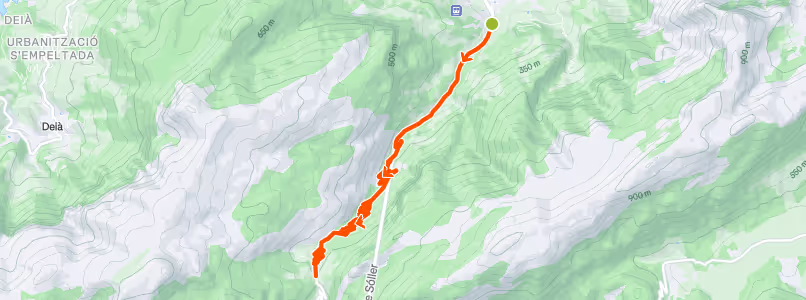
The Sóller side is the longer of the two, and begins from the valley, carrying you up a mostly straight and sometimes quite busy road for around 3km, before you make a left turn just before the tunnel where the switchback sections begin. These switchbacks are what most riders come for, offering smooth, flowing corners and a steady gradient that allows you to find a rhythm and enjoy the climb.
With 30 twisting hairpin bends, this climb can feel long and challenging if you already have lots of climbing in the legs. If you are pushing for a PR rather than just trying to get home, the effort can really sting, so pace yourself and keep a close eye on your power numbers to avoid blowing up before the top!
From the Bunyola side
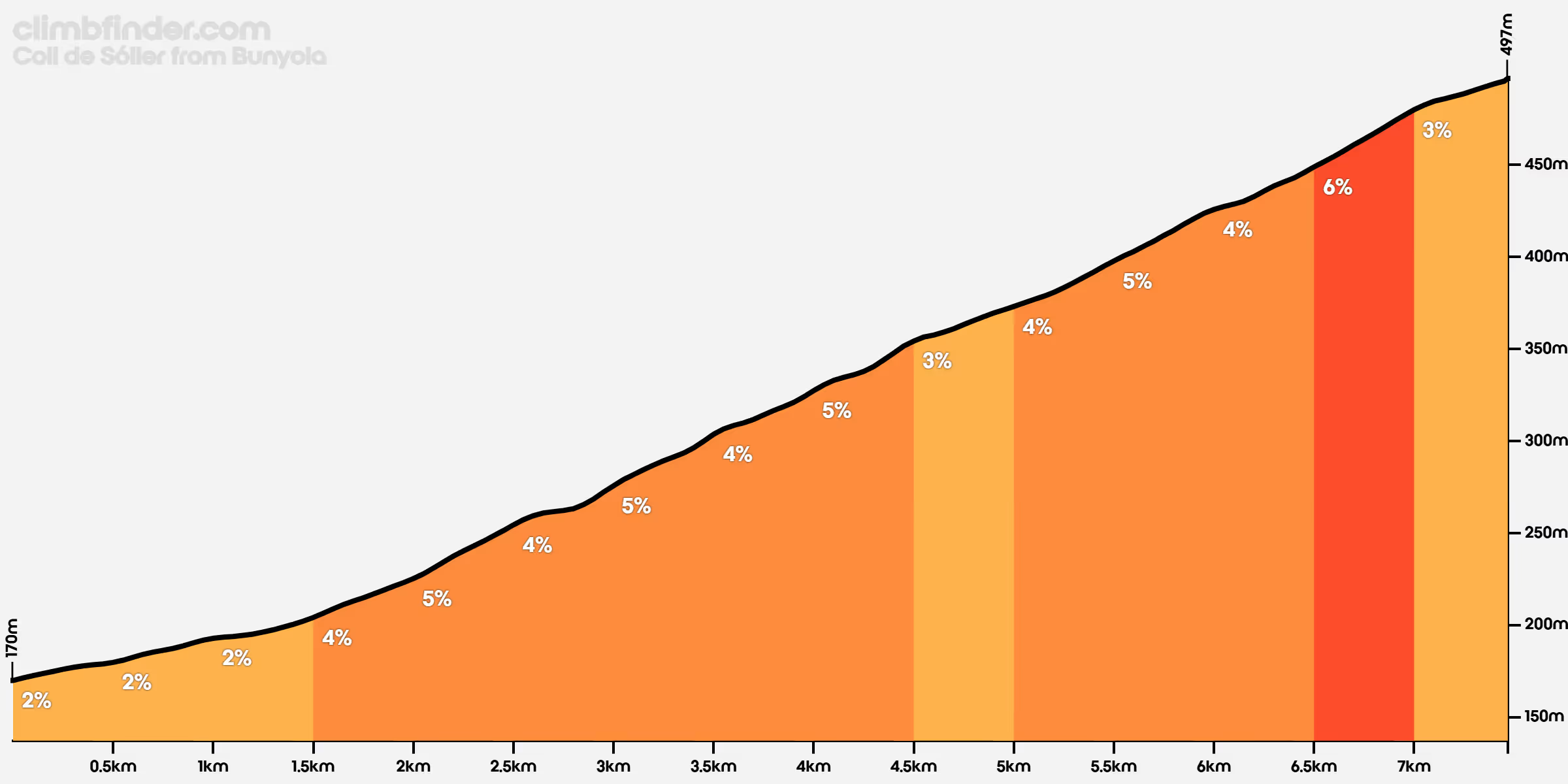
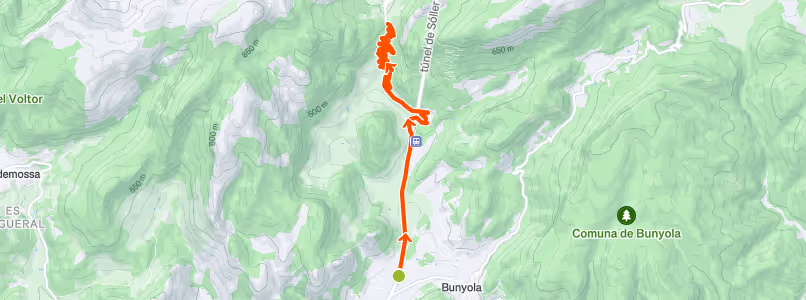
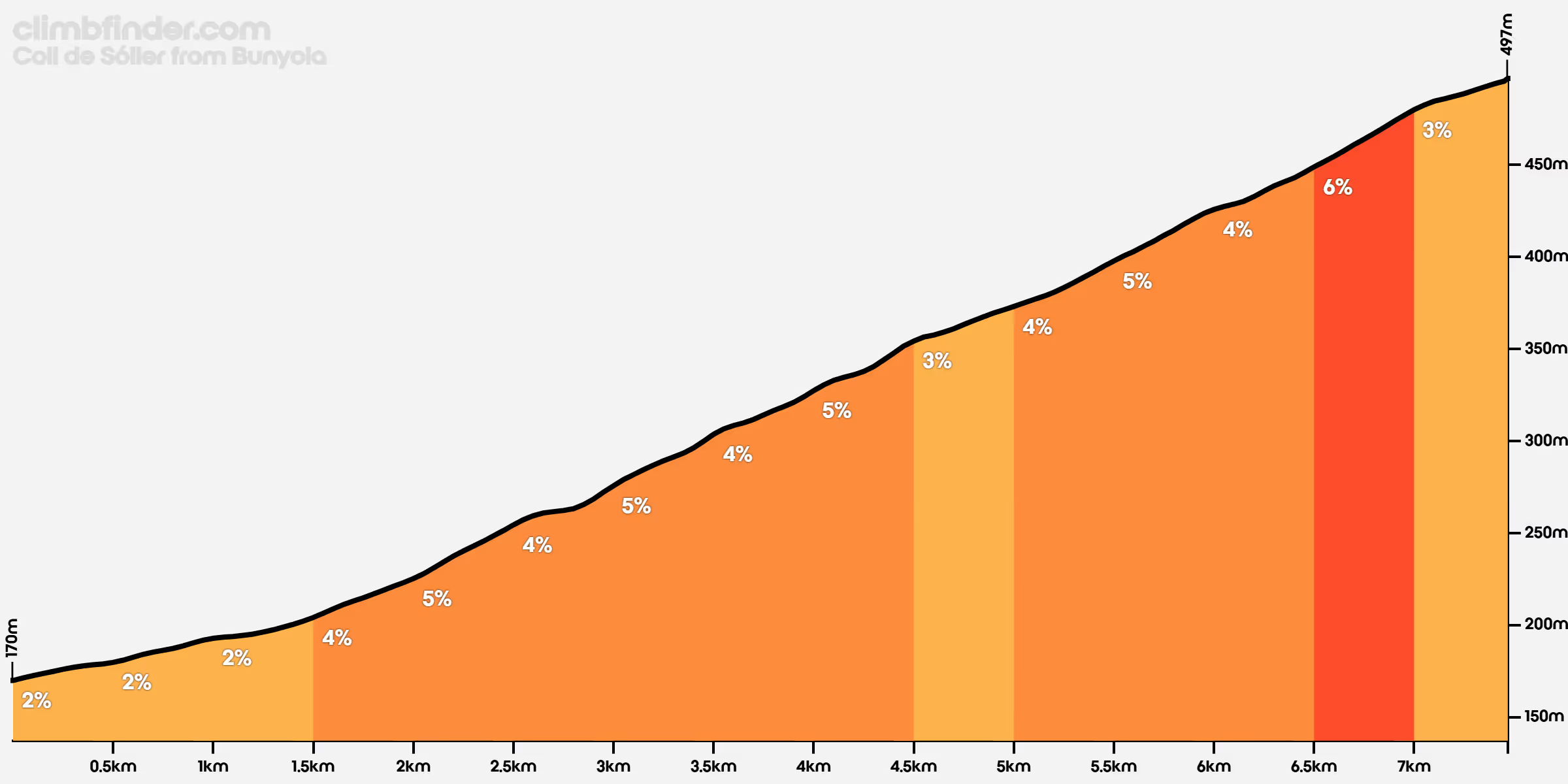
The Bunyola side starts less scenically with a wide, busy road tilting gently upwards, which acts as the main approach to the Sóller tunnel from Palma. Fortunately, there is a wide shoulder allowing cyclists to keep a good distance from the passing traffic as you work your way up to the roundabout and the offical beginning section of the climb. Once you take the turn off the roundabout and leave the tunnel traffic behind, the busy approach all of a sudden becomes well worth it as you immediately begin to settle into the first of the 25 hairpin turns as you climb your way upwards. The road surface here is, in parts, a little broken and should be navigated carefully while taking care of descending cyclists. At various sections of the ascent, you can take in the sweeping panoramic views of the previous switchbacks below as you ascend higher. With just a 4.4% average gradient, this is a lovely climb to either settle into a comfortable rhythm or choose to make an effort and go for a PR as you count down the hairpin turns. An award meets you at the top in the way of a cute coffee shop called Ca’n Topa…top tip, try the lemon drizzle cake!
Coll de Sóller is most commonly included in routes connecting Palma to Sóller, and often links into longer rides including Puig Major to Lluc or access to Deia and MA10 coastal road, making it a key part of many Mallorca cycling routes.
.avif)
4. Cap de Formentor
(Undulating)
Cap de Formentor is one of the most iconic cycling routes in Mallorca and is widely considered one of the most scenic rides in Europe. It is not a single climb in the traditional sense, but a rolling coastal road that combines short climbs, descents and exposed sections, all set against some of the most dramatic views on the island.
There is no single set of numbers that defines Formentor, as the route is made up of multiple efforts, but the constant undulation makes it more challenging than it first appears.
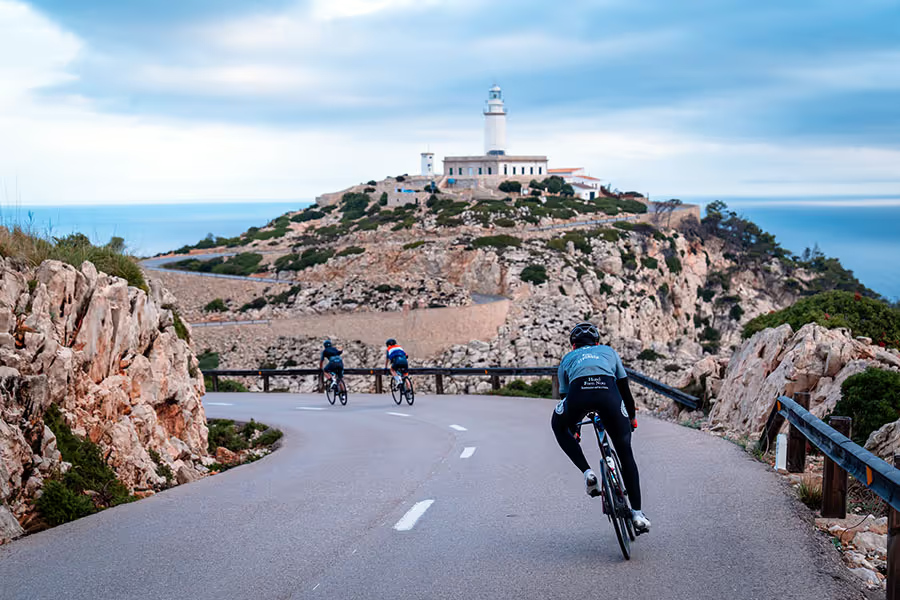
The first climb and the only road that takes you up into the peninsula is accessed via the Ma-2210 from the northern part of Pollença bay. This first climb allows stunning views across the marina below as you steadily begin to make your way up to the Mirador de Es colomer, where you can take in the panoramic ocean views. The main descent comes next as you begin the 14km journey to the Cap, made up of picturesque and undulating coastal roads with stone-carved tunnels.
The road surface is generally very good, with smooth tarmac and wide, flowing corners that make the ride feel fast and enjoyable, but what really defines this route is the setting. The road cuts along the cliffs with uninterrupted views of the Mediterranean, creating a riding experience that feels completely different to any of the inland climbs. The main prize comes at the very end as you take the last switchback turn and the famous ‘Far de Formentor’ lighthouse comes into view. Riders tend to spend some time here, taking in the views and making photo opportunities on the terrace.
There is also a cafe here that opens outside of the winter months, but be warned that this may well be the most expensive coffee and cake on the island!
Access to the Cap de Formentor road (Ma 2210) is restricted during the summer months, typically from late May to late October, with exact dates varying each year.
During this period, the road is closed to most private vehicles between 10:00 and 22:30 each day, with the closure point just beyond Port de Pollença. Cyclists are always allowed access, making this one of the best times to ride the route with reduced traffic.
Local residents, buses and emergency vehicles can still use the road, but rental cars and tourist traffic are not permitted during these hours.
Before 10:00, the road is fully open, making early morning rides popular for cooler temperatures and quieter conditions.
Cap de Formentor is most easily accessed from Port de Pollença or Alcúdia and is typically ridden as an out-and-back route. It pairs perfectly with flatter inland roads, making it a great option for a slightly easier day while still experiencing one of the most famous cycling routes in Mallorca.
“The 13.5 km road from Port de Pollença to Cap de Formentor was built by renowned Mallorcan engineer Antonio Parietti in 1925. Parietti is also known for having constructed the infamous road to Sa Calobra.”
5. Coll de sa Batalla
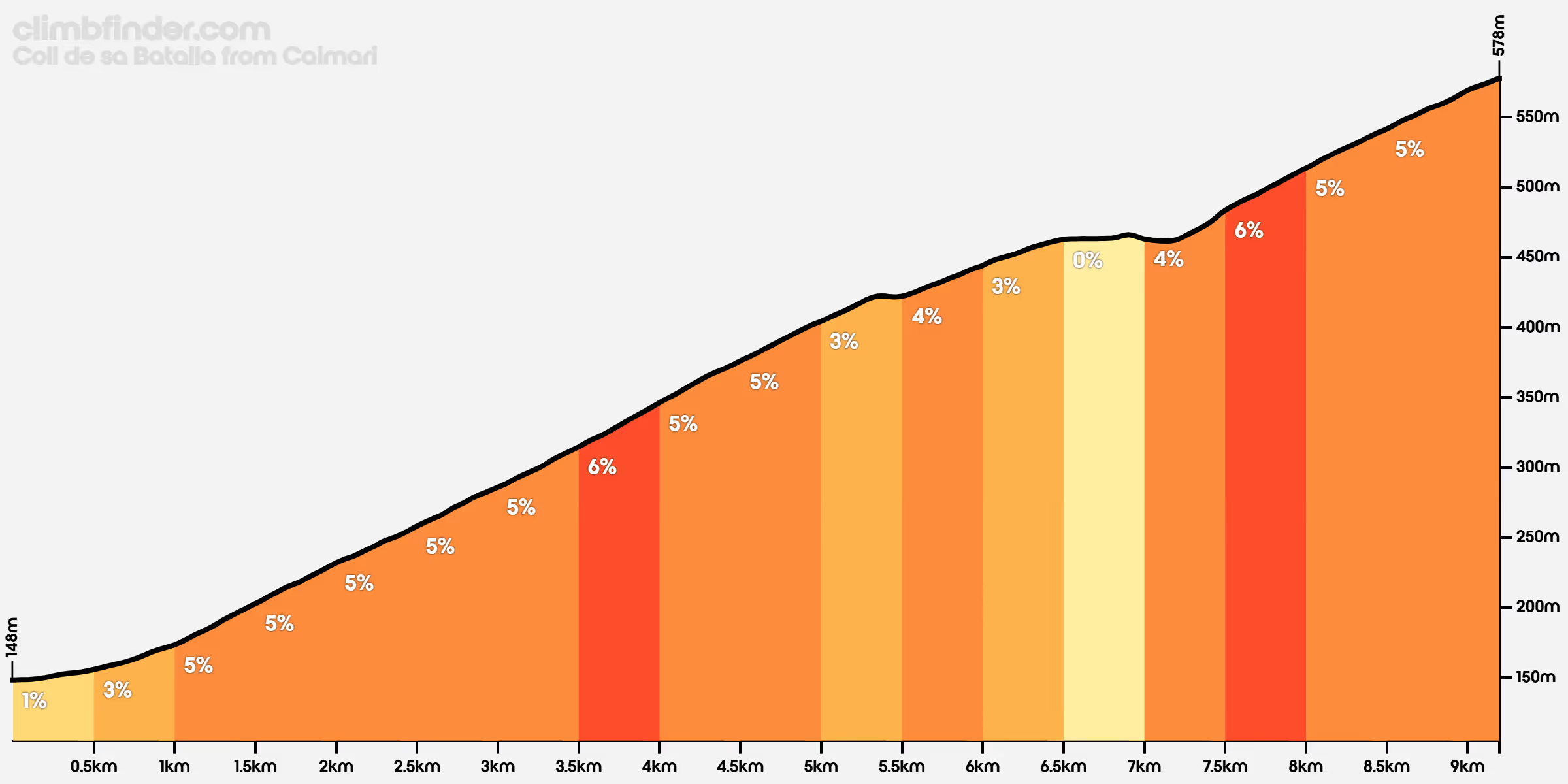
Coll de sa Batalla is often described as the gateway into the Tramuntana mountains and is one of the most frequently ridden climbs in Mallorca. While it may not have the fame of Sa Calobra or the views of Cap de Formentor, it plays a crucial role in many of the island’s best cycling routes.
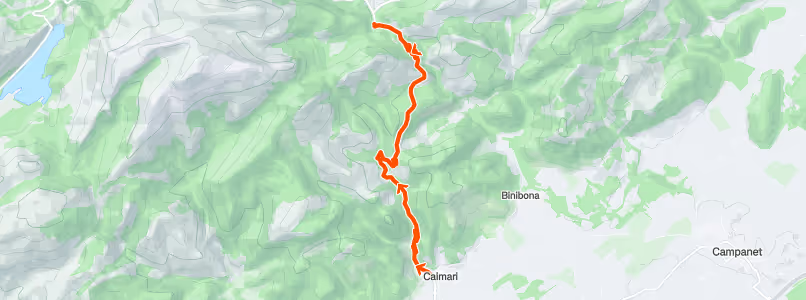
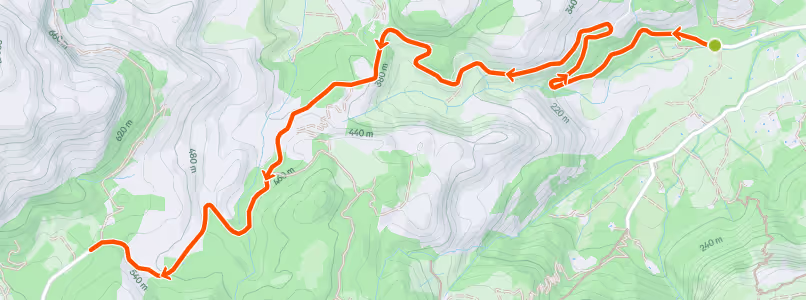
The climb is accessed via the pretty town of Caimari and can be ridden as either an up and down climb as part of a flatter inland route, or as the beginning of a larger and more challenging mountain loop giving access to Sa Calobra or Pollença via Femenia. With 17 hairpin turns and a mostly steady gradient from start to finish, Sa Batella is one of the most accessible climbs in Mallorca and a perfect introduction to mountain riding for those new to the island. The road surface is excellent throughout, with wide, smooth tarmac and predictable corners that make both climbing and descending feel safe and controlled. Around halfway up the climb, you will make a short and mild descent where you will find sweeping panoramic views to your right across the valley below.
Because of the gentle gradient, smooth tarmac and pine forestry views, this climb can get VERY busy in the high season months like April and May, so plan to ride it either early in the morning or later in the afternoon to avoid the crowds. At the top, you will find the famous Repsol gas station that arguably sells the most cakes out of any gas station in the world! Plan to take a coffee and a pain au chocolat here, before deciding whether to commit to a big mountain day or descend back down for an easier inland exploration of the local villages.
Coll de sa Batalla is most commonly ridden from Inca or Alaró, and is often used as a linking climb to access bigger routes. It is regularly combined with Sa Calobra, Coll de Femenia or Puig Major, making it an essential part of many classic Mallorca cycling loops.
6. Coll de Femenia
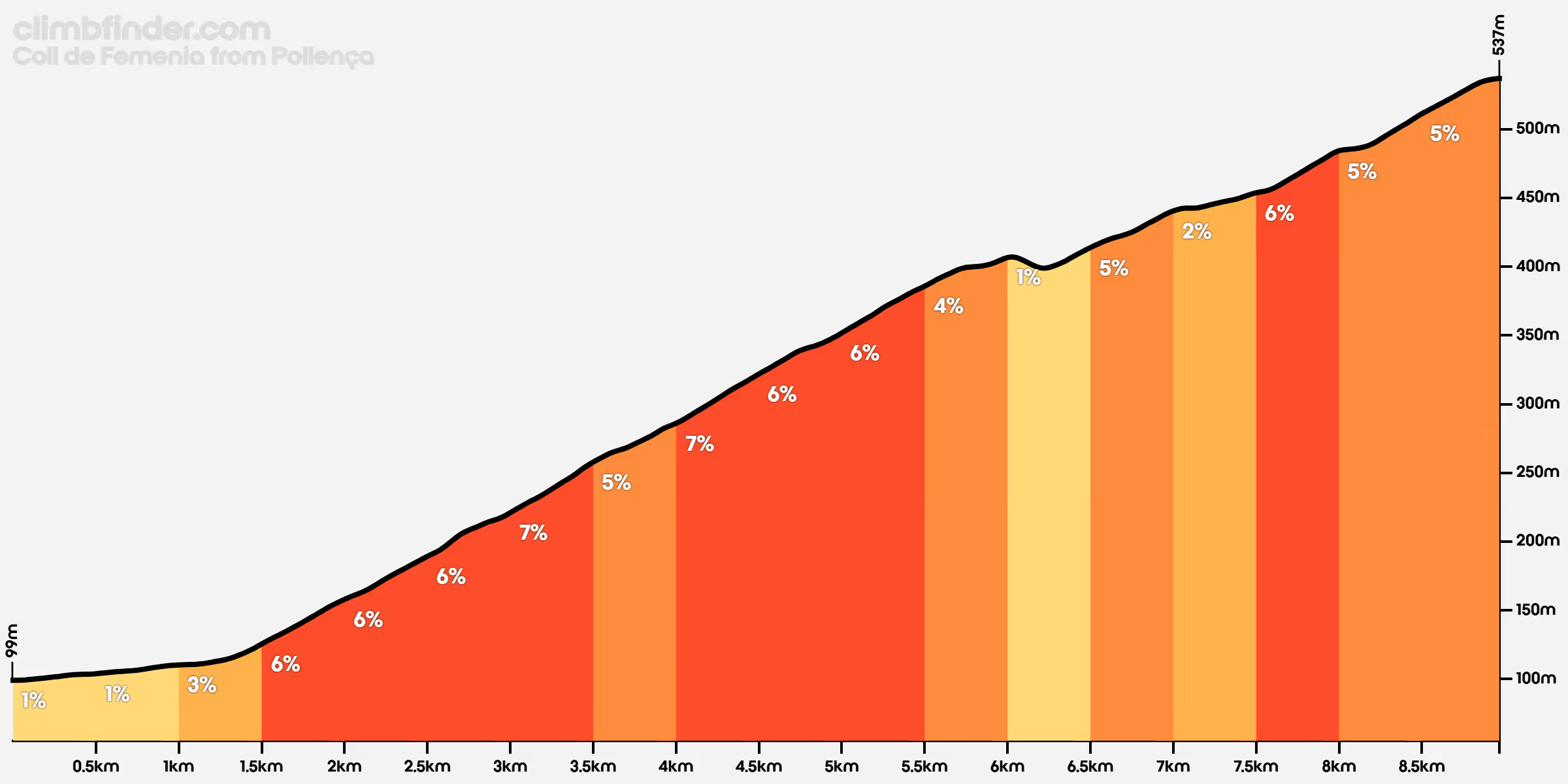
Coll de Femenia is most commonly accessed from Pollença, and is often included in loops alongside Sa Calobra and Puig Major, creating one of the most complete cycling days in Mallorca. It is a key part of many routes and a climb that riders often remember for how enjoyable it feels rather than how hard it is.
This is one of those climbs that quietly becomes a favourite for riders once they have experienced it. It may not have the same reputation as
The gradient is steady throughout the entire length of the climb, never too steep averaging under 6%, which allows you to find a rhythm early and hold it all the way to the top. It is a climb that rewards patience and smooth riding rather than aggressive efforts, making it suitable for a wide range of riders.
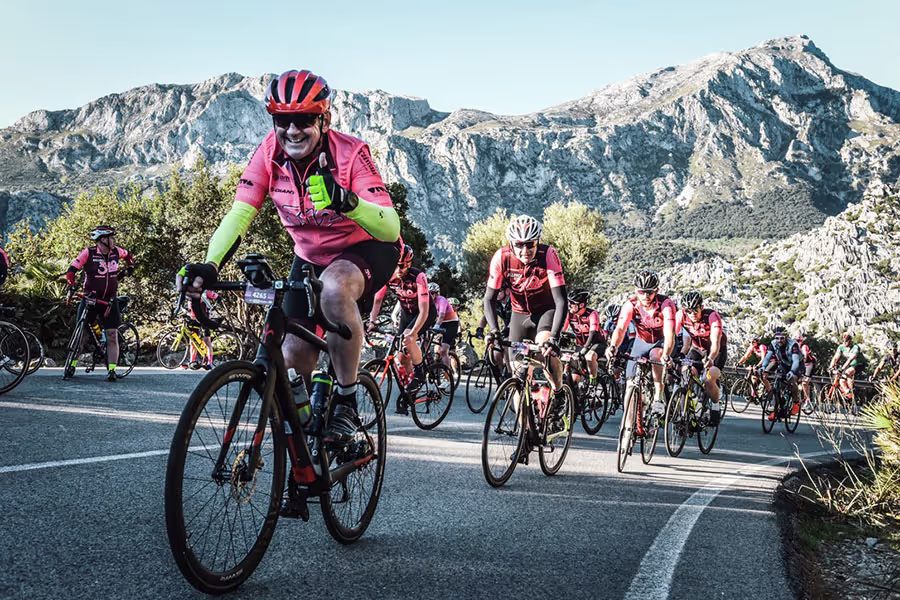
The road surface is excellent from bottom to top, with wide, clean tarmac and long sweeping bends that make both the climb and descent feel effortless. As you gain elevation, the views begin to open up slightly, with a real sense of leaving the busier inland roads behind and entering the mountains.
Most riders are caught out by a few false tops where they believe the climb to be complete, only to find out that the climb continues for another couple of kilometers, so don’t stop too early!
The final section of the climb settles into a calm and steady rhythm, where the effort feels controlled and the road continues to flow naturally beneath your wheels. It is a climb where you can look around, take in the surroundings and enjoy the moment without feeling under pressure. This is what makes Coll de Femenia so memorable, not just the riding itself, but how effortlessly it all comes together.
At the very end of the MA-10, you will reach the intersection of Lluc allowing you to turn left and descend down Coll de sa Batella, or turn right to tackle Sa Calobra, and the mighty descent of Puig Major.
7. Coll d’Honor
(From Bunyola)
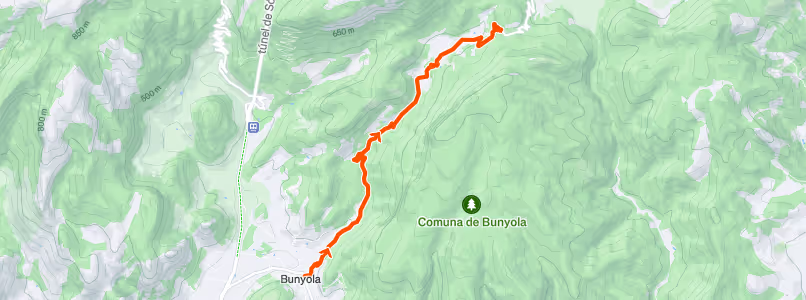
Coll d’Honor is one of those climbs that feels a little more hidden and local compared to the bigger, more well known roads in Mallorca. It does not attract the same crowds as the big hitters, but it is a favourite among the locals for its close proximity to Palma and its ability to tie into multiple other island loops.
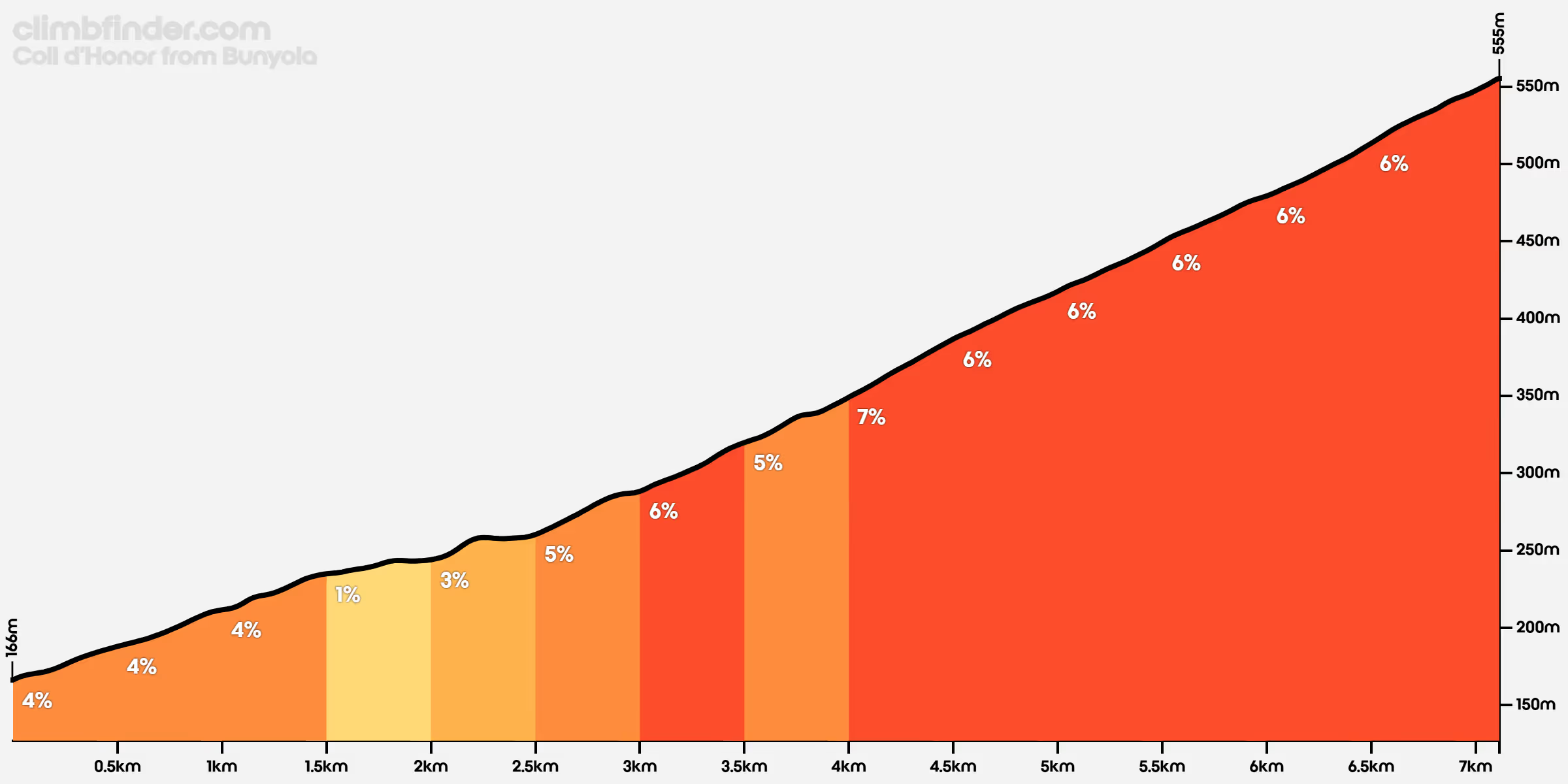
The climb is accessed from the traditional stone village of Bunyola and begins gently, allowing you to ease into the effort before the gradient gradually settles into a steady and consistent rhythm. The gentle beginning can cause many cyclists to misjudge this climb and go full gas way too early. This climb feels long and does have some steeper ramps in parts meaning you can blow up quickly if you’re not careful!
One of the standout features of Coll d’Honor is the road surface. The entire climb from the very bottom to the top has recently been resurfaced, and the fresh tarmac makes it one of the smoothest roads in Mallorca, really adding to the enjoyment as you wind your way up through mountainous forests full of pine trees and rugged mountains. Keep your eyes peeled for wild goats here carelessly wandering out in front of you as you make your effort!
The final section of the climb is where some of the steeper ramps hide out, so be sure to save some in the tank for the end section which is made up of tight switchbacks and hairpins making for a nice final push to the sign!
Coll d’Honor is most commonly ridden as part of a loop from Alaró or Bunyola, and is a perfect shorter morning loop out and back into Palma city if you don’t have too much time. Pair the climb with a stunning descent of Coll de Orient to create one of the most enjoyable inland routes in Mallorca.
8. Coll d’Orient
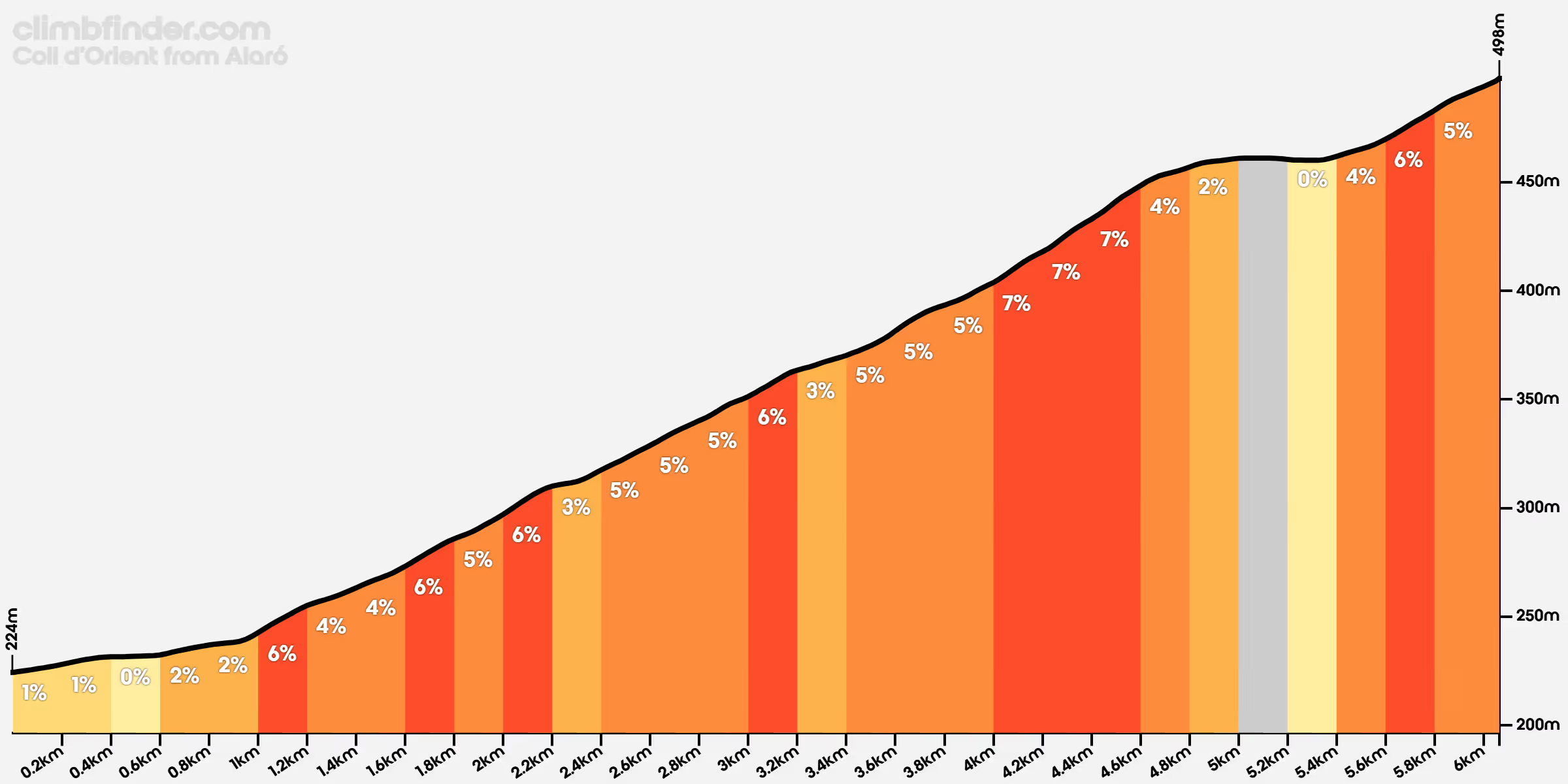
Coll d’Orient is one of those climbs where you go to just switch off. The road is long enough to find the ‘zone’, but without the steep inclines that force you to grit your teeth, making it a perfect climb to really switch off. Orient is less known and normally doesn’t make most riders ‘must see list’ leaving visitors wishing they had experienced it sooner so they could ride it again before leaving!
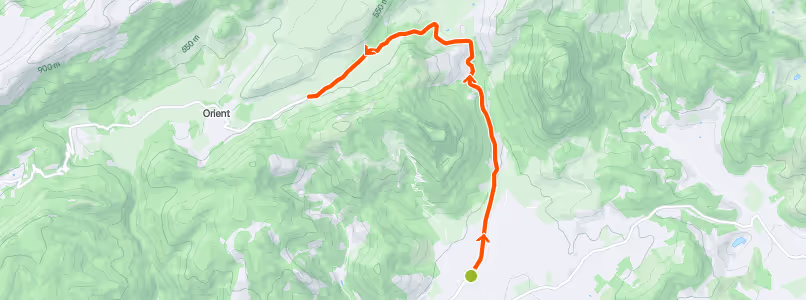
The climb is accessed from Alaró and delivers a perfectly smooth dark asphalt surface all the way up after recently being resurfaced. The gradient is very consistent throughout, which allows you to settle into a comfortable rhythm from the very beginning. It is a climb that feels natural and balanced, offering enough effort to be satisfying without ever becoming overwhelming.
The climb winds through open countryside and small sections of forest, with very little traffic compared to the main Tramuntana roads. Even during the busier times of year, this part of the island experiences a lot less traffic and cyclists than the more spoken about climbs, allowing a complete escape whatever time of year. This creates a calm and relaxed atmosphere where you can focus on your riding and enjoy the surroundings without interruption.
Just a kilometre more after reaching the top of the climb, you arrive into the small village of Orient where you will find a small selection of restaurants worthy of a coffee stop.
Coll de Orient is most often paired with Coll d’Honor to create one of the best inland loops on the island. It is not the most famous climb, but it is one of the most complete and enjoyable.
“In June 2011, Mallorca’s Tramuntana mountain range was awarded World Heritage Status by UNESCO as an area of great physical and cultural significance.”
9. Puig de Randa
(Santuari de Cura)
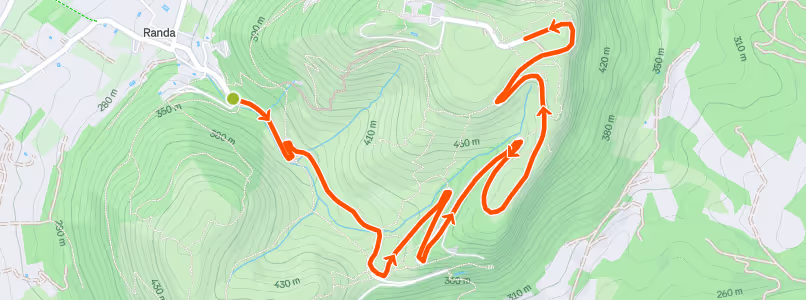
Puig de Randa is one of the most accessible and rewarding climbs in Mallorca, offering something completely different from the high mountain roads of tramuntana. Located in the centre of the island, it rises steadily up to the Santuari de Cura and provides some of the best panoramic views you will find anywhere in Mallorca. Unlike most of the other climbs, Randa is not located in the tramuntana mountain range, but instead it is nestled amongst a small group of hills in the south of the island.
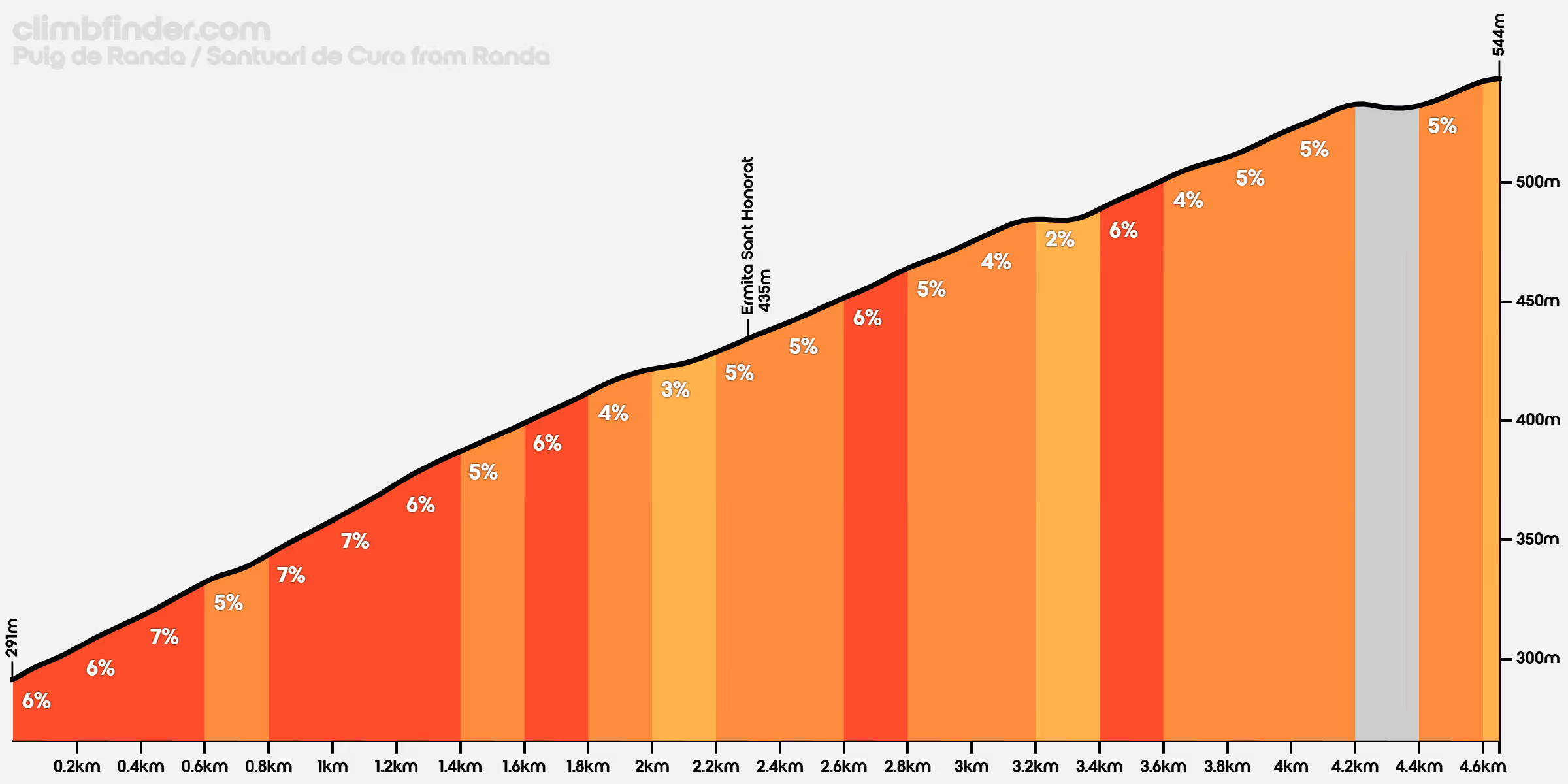
The climb is accessed from the town of Randa just a short distance from the small village of Algaida. The climb begins gradually before settling into a steady and consistent gradient. It is not overly steep, but it is continuous, which means you can find a rhythm early and hold it all the way to the top. It is a great climb for building confidence and works well for riders of all levels.
The road surface is good throughout, with smooth tarmac and clear visibility on most sections. Traffic is generally very light compared to the more popular mountain climbs, which adds to the relaxed and enjoyable feel of the ascent. As you climb higher, the views begin to open up, with wide sweeping vistas across the island in every direction.
The final section of the climb becomes slightly more exposed, and as you approach the summit at the top, the sense of elevation really begins to hit. It is a climb where the reward is just as much about the view as it is the effort. Upon reaching the summit, you will be rewarded with the historic Santuari de Cura (Sanctuary of Cura), a 13th-century monastery famous for its connection to philosopher Ramon Llull. It offers 360-degree panoramic views of Mallorca, a hotel/hostel, a restaurant-bar, a chapel, a museum, and radar installations.
Randa is most commonly ridden as part of an inland loop from Palma or the surrounding villages, making it a perfect option for a shorter day or a recovery ride. It may not have the fame of the Tramuntana climbs, but it offers a unique experience that should not be missed.
10. Galilea
(Es Capdella side)
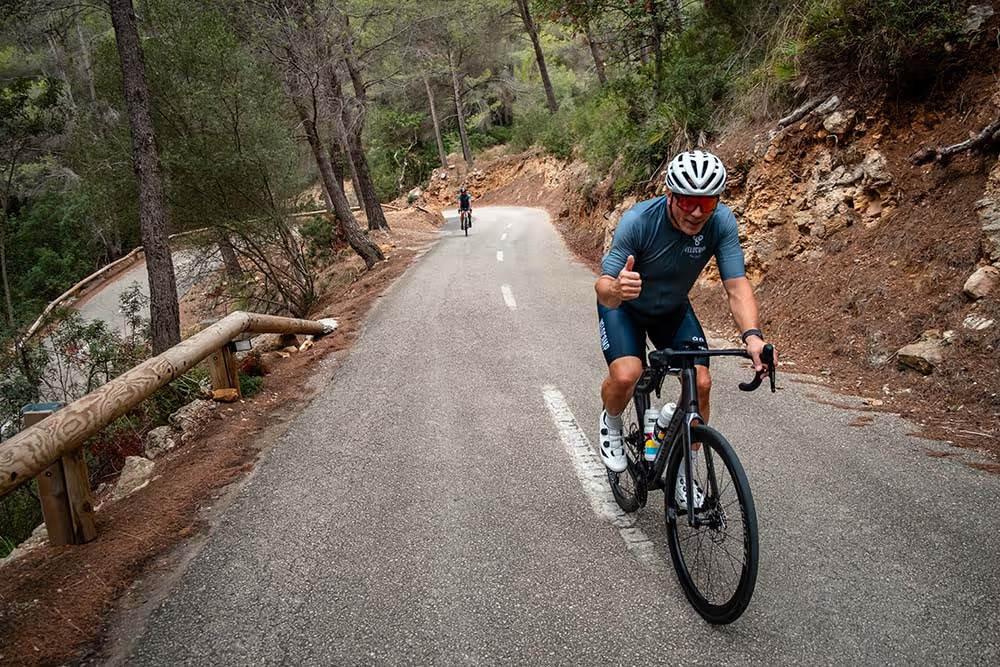
Galilea is one of the tougher climbs in Mallorca and offers a more demanding challenge compared to many of the island’s more steady and forgiving ascents. It is a climb that feels more traditional, slightly rougher around the edges, and one a favourite of the locals who frequently incorporate this climb into the shorter pre-work loops that focus around the Southwest end of the island.
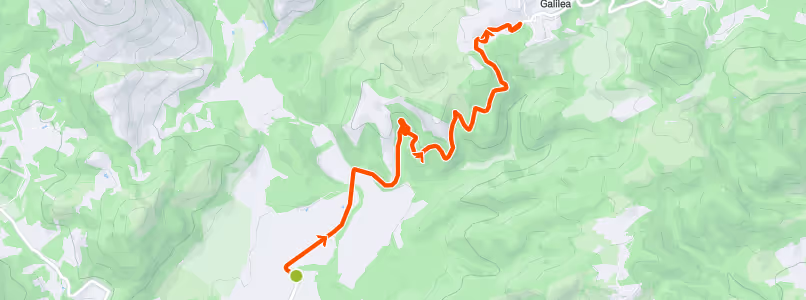
Access to the beginning of the climb is found at the village of Es Capdella which serves as a great crossroads to multiple route options including Andratx, Peguera or Calvia.
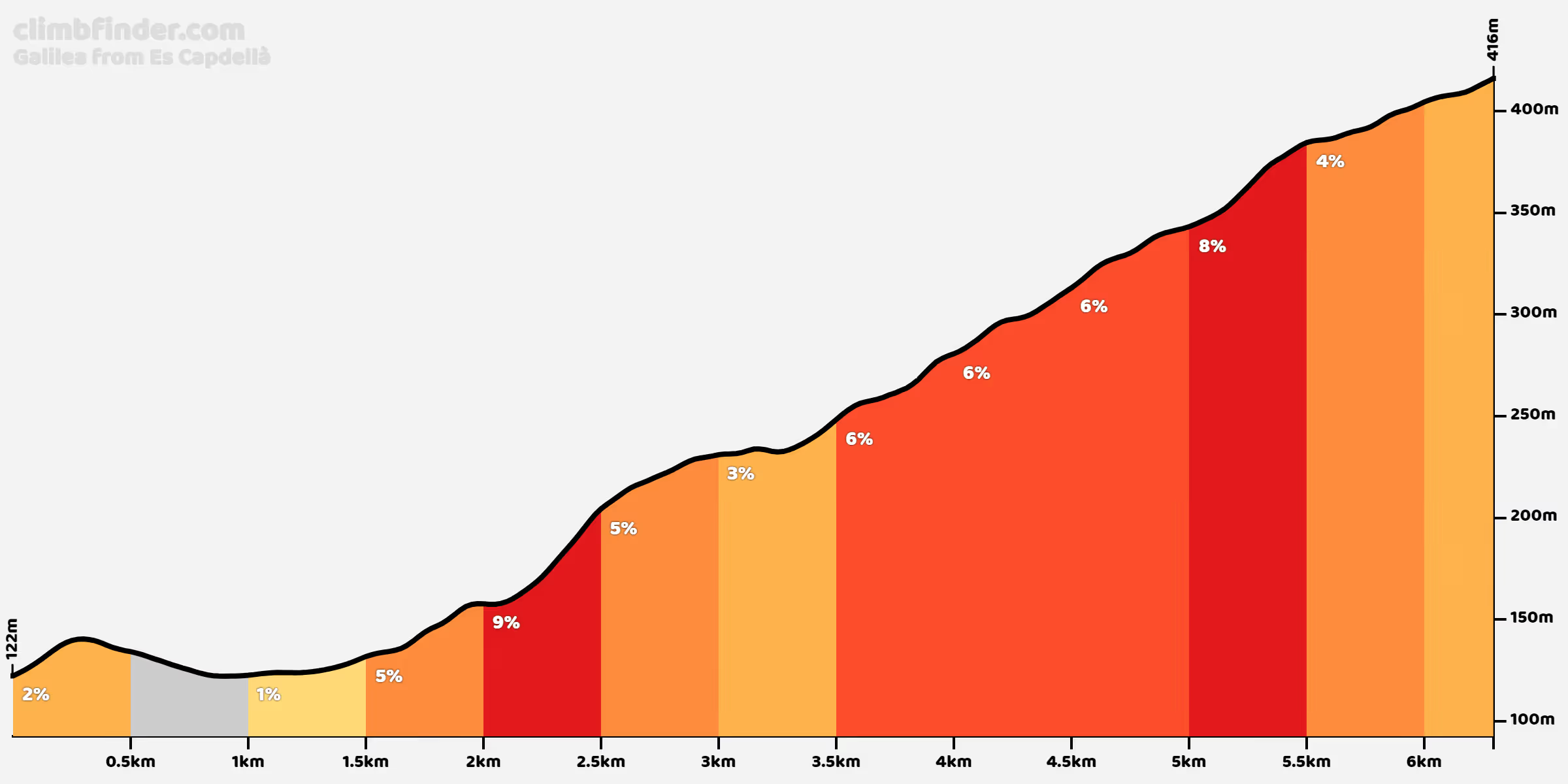
Galilea begins with a long straight approach before the road turns to the right and the gradient begins to kick up slightly. While the average sits right around 5.5%, there are several steeper sections throughout the climb that can really bite if you are chasing a PR. As you approach the upper section of the climb, you will be treated to spectacular views of the pine lined forest below and on a clear day, views across Palma bay.
The road surface in parts is quite rough and care should be given to some larger potholes and especially gravel on the sharper bends, if you are pushing hard round the corners. The road also narrows sharply in parts and passing cars can be forced very close if met at some of the tighter bottleneck sections, so always maintain your position far over to the right side.
The last kilometre of the climb flattens out somewhat allowing you to finish strong all the way to the sign marking the end of the segment. At the top, there is the option to turn left and climb more to the plaça where you can find a nice cafe with some incredible views across the valley below. Personally, I would recommend continuing down the other side of Galilia which is the shorter side of the mountain, to take a coffee in the village of Puigpunyent where you have a better choice of cafe options.
Galilea is most commonly ridden as part of a smaller 50km loop from Palma, or as part of a longer 100km ride including the world famous MA-10 coast road .
Ride Them All With Velocamp Mallorca
At Velocamp Mallorca, we ride every one of these climbs directly from our villa in Alaró, the best cycling base on the island.
No shuttles. No taxis. No wasted time.
Just incredible riding, full support on the road, chef prepared meals, daily recovery and a private villa with a huge pool waiting for you each day.
Explore our Mallorca cycling holidays and start planning your trip!
Stay up to date
Get weekly newsletters about cycling and all that good stuff, straight to your inbox.